
If you’ve ever shopped for a car, traded one in, or wondered what your vehicle is worth, you’ve probably come across Kelley Blue Book. It’s one of the most recognized and trusted names in the automotive industry — and for good reason. Whether you’re buying, selling, or trading in, understanding what Kelley Blue Book is and how it works can help you make a more confident, informed decision.
What Is Kelley Blue Book?
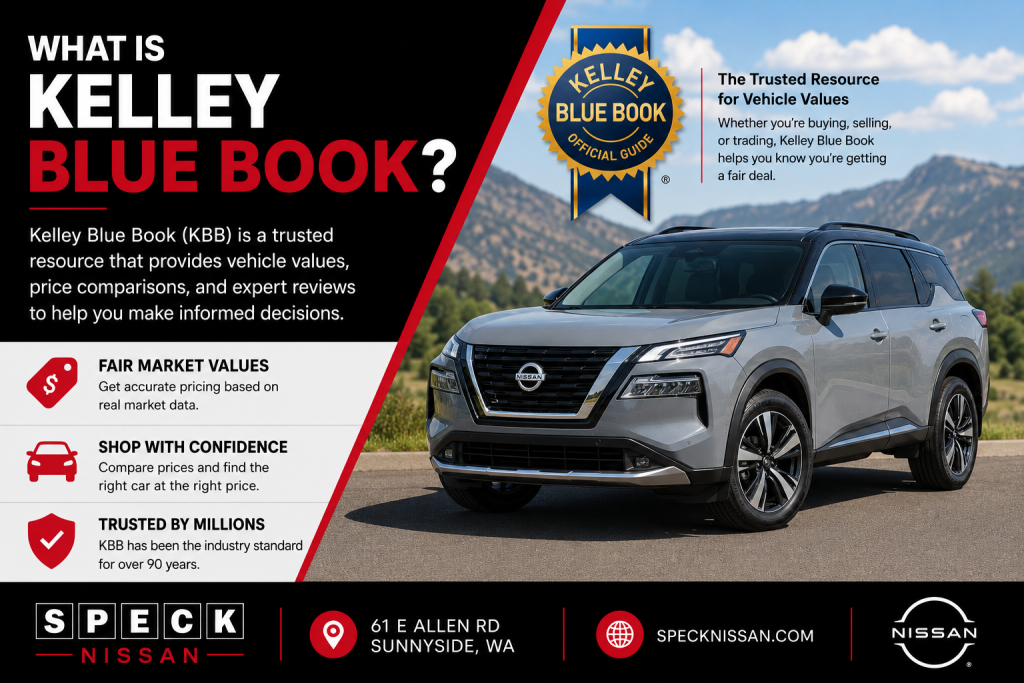
Kelley Blue Book — commonly known as KBB — has been a trusted source for vehicle pricing information since 1926. Originally a printed guide used by dealers and consumers to determine fair vehicle values, KBB has evolved into one of the most visited automotive websites in the country. Today it provides real-time vehicle valuations based on millions of data points including recent sales transactions, market demand, and regional pricing trends.
KBB is now owned by Cox Automotive — the same parent company as Autotrader and Cars.com — which gives it access to enormous amounts of real-world sales data. That data is what makes Kelley Blue Book values so widely trusted by both consumers and dealerships alike.
What Does Kelley Blue Book Actually Tell You?
KBB provides several different types of values depending on what you’re trying to do. The most commonly used are the Trade-In Value — what a dealer might offer for your vehicle — and the Private Party Value — what you might expect if selling directly to another person. There’s also the Instant Cash Offer, which is a real offer from dealers in your area based on your vehicle’s specifics.
For most car shoppers in the Yakima Valley and Tri-Cities area, the Trade-In Value is the most practical number — it sets a realistic baseline for what your current vehicle is worth when you’re ready to put it toward your next purchase.
What Factors Affect Your Kelley Blue Book Value?
Year, Make & Model
Newer vehicles generally hold more value. Some brands and models hold their value significantly better than others over time.
Mileage
Lower mileage typically means higher value. KBB uses average annual mileage as a benchmark — more miles than average lowers the value.
Condition
KBB uses condition ratings — Excellent, Very Good, Good, and Fair. Be honest: most vehicles fall in the Good range, not Excellent.
Options & Features
Packages like AWD, leather seating, sunroofs, and towing equipment can all add meaningful value to your KBB estimate.
Your Location
KBB adjusts values by region. A truck may be worth more in rural Eastern Washington than in a major metro — local market demand matters.
Service History
A documented maintenance history adds real credibility and value to your vehicle — especially when trading in at a dealership.
How to Check Your Car’s Kelley Blue Book Value
- Go to kbb.com and select “What’s My Car Worth” or “Trade-In Value.”
- Enter your vehicle’s year, make, model, and trim level. Have your VIN handy for the most accurate result.
- Enter your current mileage and select your vehicle’s condition honestly — Excellent, Very Good, Good, or Fair.
- Select any options or packages your vehicle has — AWD, sunroof, premium audio, towing packages, and so on.
- Enter your zip code so KBB can adjust the value for your regional market — Eastern Washington values may differ from national averages.
Ready to find out what your car is worth?
Use Kelley Blue Book as your starting point — and then bring it to Speck Nissan in Sunnyside. We’ll give you a real, transparent trade-in appraisal and show you how your KBB value applies toward your next vehicle. No pressure, no guesswork — just a straightforward number you can count on.
The information provided is for general informational purposes only and does not constitute legal, financial, or professional advice. While we strive to provide accurate and up-to-date information, we make no guarantees regarding the completeness, accuracy, or reliability of the information presented. Any action you take based on the context of this blog is strictly at your own risk. Always consult a qualified professional or specialist for advice specific to your situation. We are not responsible for any losses or damages arising from the use of this blog or its content.

