Blog

All Automotive Tips Automotive Service and Parts Nissan Sales Automotive Financing Dealership Blog Community Events Sunnyside Used Cars, Trucks, and SUVs

Spring Events in Sunnyside, Washington

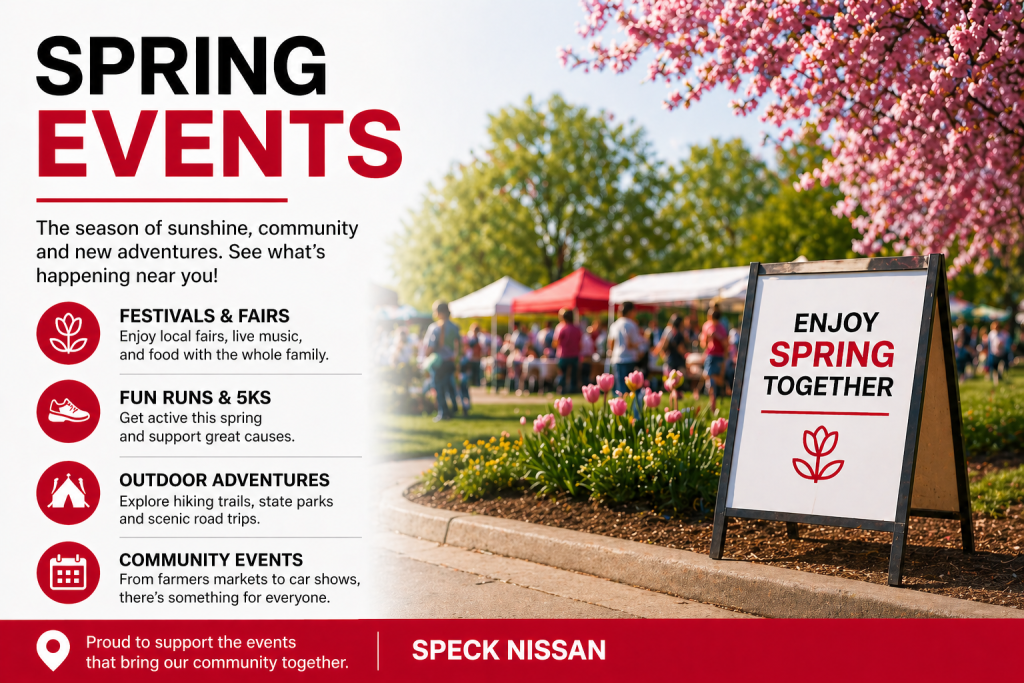
Spring is a great time to get out and enjoy the local community in Sunnyside, Washington. Warmer weather brings a variety of events, activities, and opportunities to explore the area. Whether you are looking for family-friendly fun or local entertainment, there is something happening throughout the season. At Speck Nissan, we love seeing our community come together during this time of year. Community Events and Festivals Spring in Sunnyside often includes local festivals, community markets, and outdoor gatherings. These events are a great way to support local businesses and connect with others in the area. Seasonal celebrations and small-town events create a welcoming atmosphere for residents and visitors alike. They are perfect for spending time outdoors and enjoying the fresh air. Outdoor Activities and Recreation With the arrival of spring, parks and outdoor spaces become popular destinations. Sunnyside offers opportunities for walking, picnicking, and relaxing in the sunshine. Nearby areas also provide access to hiking trails and scenic views. It is a great time to explore the region and take advantage of the improving weather. Family-Friendly Fun Spring events in Sunnyside often include activities for all ages. From community gatherings to outdoor entertainment, there are plenty of options for families. Kids can enjoy open spaces, while adults can take part in local events and activities. It is an ideal season to spend quality time together. Final Thoughts Spring in Sunnyside, Washington brings a variety of events and outdoor experiences to enjoy. It is a great time to get involved in the community and explore what the Sunnyside community has to offer. Sunnyside, WA Events The information provided is for general informational purposes only and does not constitute legal, financial, or professional advice. While we strive to provide accurate and up-to-date information, we make no guarantees regarding the completeness, accuracy, or reliability of the information presented. Any action you take based on the context of this blog is strictly at your own risk. Always consult a qualified professional or specialist for advice specific to your situation. We are not responsible for any losses or damages arising from the use of this blog or its content.
What is Considered Good Gas Mileage?

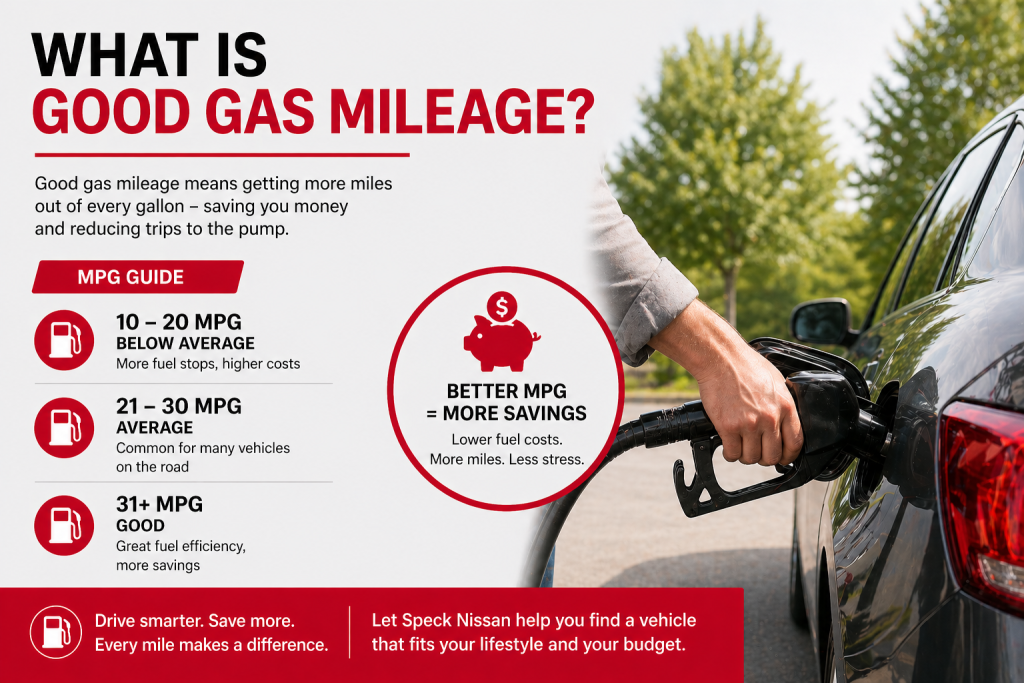
With fuel prices constantly fluctuating, getting good gas mileage has never been more important. But what exactly qualifies as good fuel economy? The answer depends on the type of vehicle you drive and how you use it. At Speck Nissan, we carry a wide range of vehicle that deliver impressive fuel efficiency without sacrificing performance or comfort. What is Considered Good MPG? Generally speaking, anything over 30 MPG combined is considered good fuel economy for most drivers. For sedans and compact cars, 35 MPG or higher is excellent. For SUVs and crossovers, hitting 30 MPG or above puts you well ahead of the class average. Trucks and larger vehicle naturally delivered lower numbers, but modern engineering has brought even those figures up significantly in recent years. The EPA rates every new vehicle for city, highway, and combined fuel economy, and those numbers are a great starting point when comparing your options. City vs. Highway MPG It is important to understand the difference between city and highway fuel economy. City MPG reflects driving with frequent stops and slower speeds, which generally burns more fuel. Highway MPG reflects steady cruising at higher speeds, which typically where vehicles shine in terms of efficiency. Most drivers experienced a blend of both, which is why the combined rating is often the most useful numbers when shopping for a fuel-efficient vehicle. Nissan Models That Get Over 30 MPG Highway 2026 Nissan Versa Sedan Nissan offers several models that exceed 30 MPG on highway, making them smart choices for commuters and long-distance drivers alike. The Nissan Sentra delivers an impressive EPA-estimated 39 MPG on the highway, making it one of the most fuel-efficient sedans in its class. Now, the Nissan Versa is another standout, earning up to 40 MPG on the highway and serving as one of the most affordable and efficient vehicles available today. The Nissan Altima checks in at an estimated 38 MPG highway, offering a great blend of efficiency and midsize sedan comfort. For SUV shoppers, the Nissan Kicks delivers up to 36 MPG on the highway in a practical and stylish compact crossover package. The Nissan Rogue also impresses with an estimated 33 MPG highway, making it a top choice for families who want efficiency without giving up space. Final Thoughts Good gas mileage starts at around 30 MPG and gets better from there. Nissan's lineup is packed with efficient options that deliver real-world savings on every drive. Visit Speck Nissan today to explore our fuel-efficient models and find the one that fits your lifestyle and budget best. Make sure to see if we have any specials available! Shop Nissan The information provided is for general informational purposes only and does not constitute legal, financial, or professional advice. While we strive to provide accurate and up-to-date information, we make no guarantees regarding the completeness, accuracy, or reliability of the information presented. Any action you take based on the context of this blog is strictly at your own risk. Always consult a qualified professional or specialist for advice specific to your situation. We are not responsible for any losses or damages arising from the use of this blog or its content.
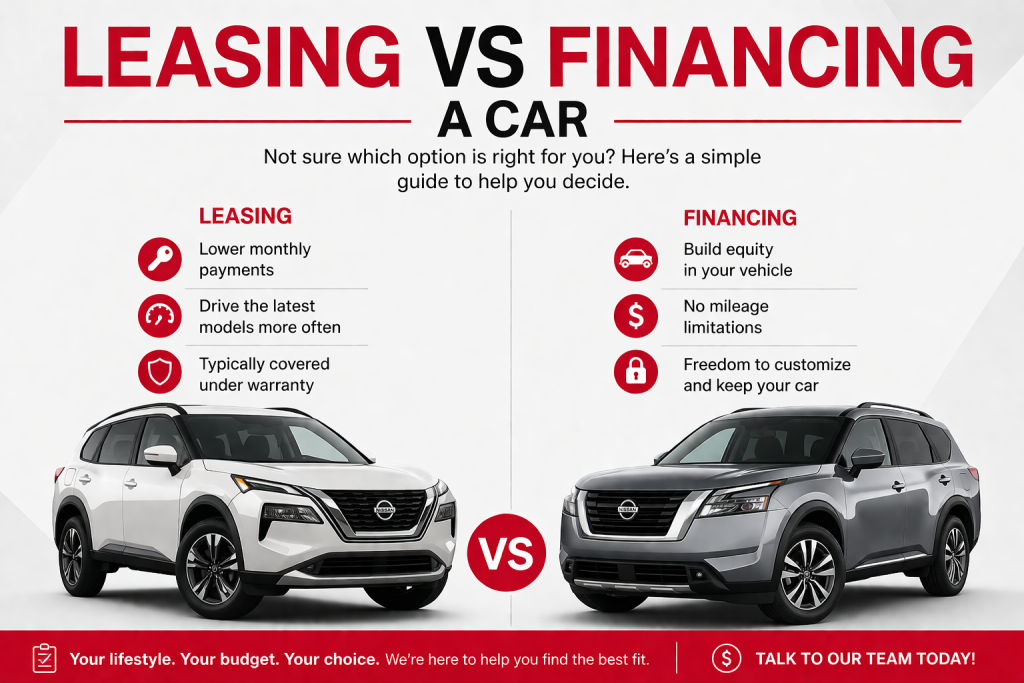
Leasing vs. Financing

When it comes time to get behind the wheel of a new Nissan, one of the first decisions you will face is whether to lease or finance. Both options have their own set of advantages and drawbacks depending on your lifestyle and financial goals. AT Speck Nissan, our finance team is here to help you make the most informed decision possible. The Benefits of Leasing Leasing is a popular option for drivers who enjoy driving a new vehicle every few years. Monthly lease payments are typically lower than financing payments since you are only paying for the vehicle's depreciation over the lease term. You also benefit from always driving a vehicle that is under warranty, which can reduce unexpected repair costs. At the end of your lease you simply return the vehicle, buy it out, or move into something new. The Drawbacks of Leasing Leasing does come with some limitations worth considering. Most leases come with annual mileage caps, typically between 10,000 and 15,000 miles per year, and going over those limits can result in costly fees. You also do not build any equity in the vehicle since you do not own it at the end of the term. For drivers who put a lot of miles on their vehicle or prefer long term ownership, leasing may not be the best fit. The Benefits of Financing Financing a vehicle means you are working toward full ownership with every payment you make. Once the loan is paid off the vehicle is completely yours with no more monthly payments. You also have the freedom to drive as many miles as you want without any penalties. For drivers who plan to keep their vehicle long term, financing is often the smarter financial decision over time. The Drawbacks of Financing The main drawback of financing is that monthly payments tend to be higher than a lease on the same vehicle. You are also responsible for repair costs once the warranty expires, which can add up over time. Depreciation is another factor to keep in mind, as a financed vehicle loses value the moment it leaves the lot. That said, building equity in a vehicle you own outright is a major long term advantage that offsets many of these concerns. Final Thoughts Both leasing and financing are solid options and the right choice really comes down to your personal situation. If you value lower payments and driving the latest models, leasing may be the way to go. If long term ownership and building equity matter more to you, financing is likely the better route. Stop by Speck Nissan today and let our finance team walk you through both options in detail on our new Nissan's. Finance Center The information provided is for general informational purposes only and does not constitute legal, financial, or professional advice. While we strive to provide accurate and up-to-date information, we make no guarantees regarding the completeness, accuracy, or reliability of the information presented. Any action you take based on the context of this blog is strictly at your own risk. Always consult a qualified professional or specialist for advice specific to your situation. We are not responsible for any losses or damages arising from the use of this blog or its content.
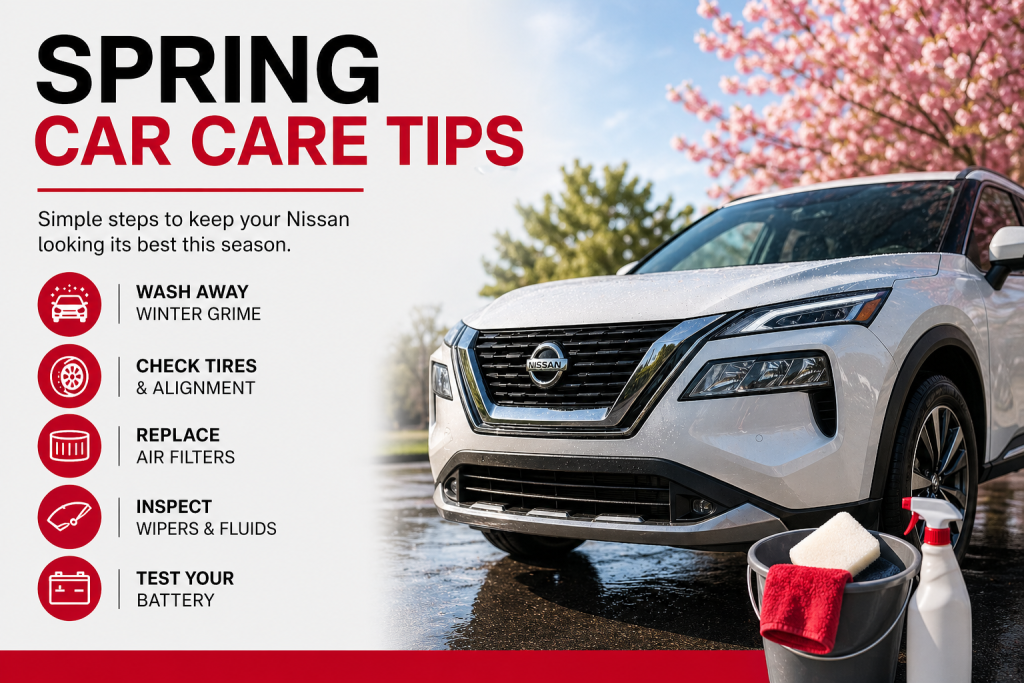
Spring Car Care Tips

As the seasons change and warmer weather arrives, it is the perfect time to give your vehicle some attention. Winter can be tough on your car, and spring is a great opportunity to make sure everything is in top shape. At Speck Nissan, our service team is here to help you get your vehicle ready for the road ahead. Tires and Brakes Cold weather and rough winter roads can take a serious toll on both your tires and brakes. Check your tire pressure, inspect tread depth, and look for any cracks or or uneven wear that may have developed over the colder months. If you notice any squeaking, grinding, or a longer stopping distance, have your brakes inspected right away. Catching these issues early is one of the most important things you can do got your safety on the road. Oil, Fluids, and Exterior Spring is the perfect reminder to check all of your vehicle's fluids. Including engine oil, coolant, brake fluid, and windshield washer fluid. If you are due for an oil change, do not put it off any longer. It is also a great time to give your car a thorough wash including the underneath. Salt and road grime from winter can cause rust and corrosion if left untreated. Final Thoughts Taking care of your vehicle in the spring sets you up for a safe and reliable driving season. These simple steps can save you from costly repairs down the road. Schedule your spring service appointment with the team at Speck Nissan today and let us help keep your vehicle in peak condition. Schedule Service The information provided is for general informational purposes only and does not constitute legal, financial, or professional advice. While we strive to provide accurate and up-to-date information, we make no guarantees regarding the completeness, accuracy, or reliability of the information presented. Any action you take based on the context of this blog is strictly at your own risk. Always consult a qualified professional or specialist for advice specific to your situation. We are not responsible for any losses or damages arising from the use of this blog or its content.
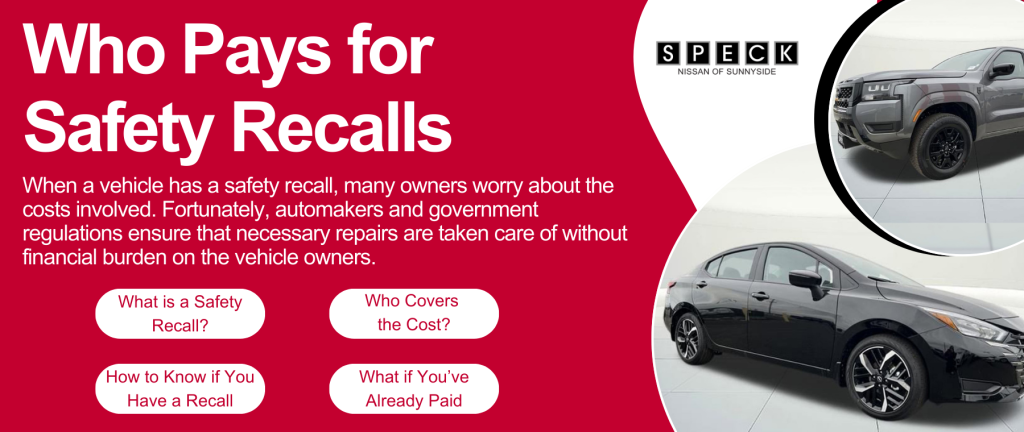
Infotainment graphic showing who pays for safety recalls

Who Pays for Safety Recalls

When a vehicle has a safety recall, many owners worry about the costs involved. Fortunately, automakers and government regulations ensure that necessary repairs are taken care of without financial burden on the vehicle owners. Here's what you need to know about who pays for safety recalls and what steps to take if our vehicle is affected. 1. What Is a Safety Recall? A safety recall is issued when a vehicle manufacturer or the National Highway Traffic Safety Administration (NHTSA) identifies a defect that could impact safety. These defects may involve mechanical issues, faulty components, or software problems that increase the risk of accidents. 2. Who Covers the Cost of Repairs? The cost of recall-related repairs is covered entirely by the vehicle manufacturer. Whether the recall is issued voluntarily by the automaker or mandated by the NHTSA the manufacturer is legally required to fix the issue at no cost to the owner. 3. How Do You Know If Your Car Has a Recall? You can check for recalls by: Looking up your Vehicle Identification Number (VIN) on the NHTSA website. Checking the manufacturer's website for recall notices. Paying attention to recall notices sent via mail or email by the manufacturer. 4. Where Can You Get Recall Repairs Done? Authorized dealership service centers handle all recall-related repairs. Unlike independent repair shops, dealerships have direct access to manufacturer-approved parts and procedures for fixing the recalled issue. 5. What If You've Already Paid for the Repair? If you previously paid for a repair that later became part of a recall, you may be eligible for reimbursement. Contact the vehicle manufacturer and provide receipts or repair records to claim a refund. 6. Do Recalls Expire? Most recalls do not have an expiration date, but it's always best to address them as soon as possible. Ignoring a recall could compromise safety and impact the resale value of your vehicle. Final Thoughts Safety recalls ensure that manufacturers correct defects that could put drivers and passengers at risk. If your vehicle has a recall, schedule a repair appointment at Speck Nissan as soon as possible. The repairs won't cost you anything, and they help keep your car safe on the road.

Informative graphic showing the frequently asked car loan questions

Frequently Asked Car Loan Questions

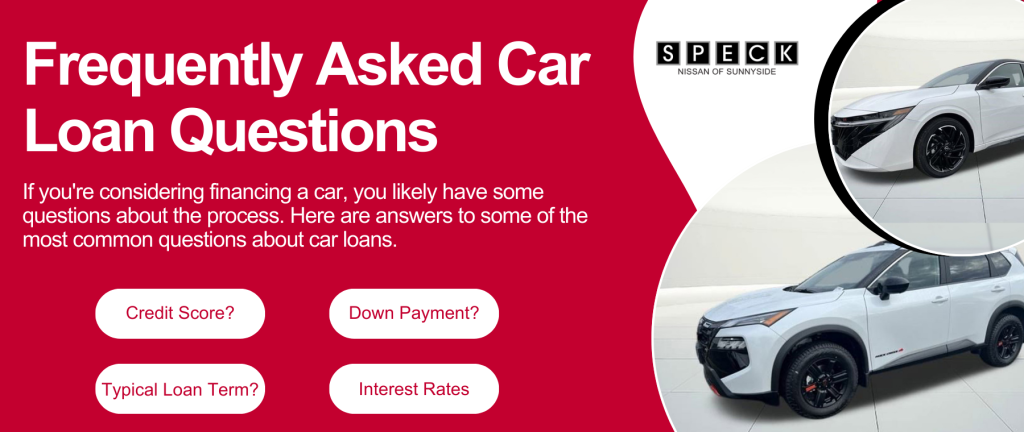
If you're considering financing a car, you likely have some questions about the process. Here are answers to some of the most common questions about car loans. 1. What Credit Score Do I Need to Get a Car Loan? While requirements vary, a credit score of 660 or higher typically qualifies for better interest rates. Some lenders offer subprime loans for lower credit scores, but interest rates may be higher. 2. How Much Should I Put Down on a Car Loan? A down payment of at least 10-10% is recommended to lower your monthly payments and interest. Some lenders may allow for low or zero down payment options depending on credit history and promotions. 3. Can I Get a Car Loan with No Credit or Bad Credit? Yes, some lenders specialize in financing for first-time buyers or those with low credit scores. Options include co-signers, higher down payments, or dealership financing programs. 4. What is the Typical Loan Term for a Car Loan? Loan terms typically range from 24 to 84 months. Shorter terms have higher monthly payments but lower overall interest costs, while longer terms reduce monthly payments but increase total interest. 5. How Do Interest Rates Work on Car Loans? Interest rates depend on credit score, loan term, and lender policies. Lower credit scores typically result in higher interest rates. 6. Can I Pay Off My Car Loan Early? Many lenders allow early payments, but some may have prepayment penalties. Check your loan agreement for specific terms regarding early payments. 7. What Happens if I Miss a Car Payment? Missing a payment may result in late fees, a negative credit impact, or potential repossession. Contact your lender immediately if you anticipate missing a payment to discuss options. 8. Should I Get a Loan Through a Dealership or a Bank? Banks and credit unions may offer competitive rates but require pre-approval. Dealership financing is convenient and may include special offers, but rates can vary. It's best to compare multiple lenders before making a decision. 9. Can I Trade in a Car That's Not Paid Off? Yes, but the remaining loan balance will need to be paid. If you owe more than the car's value, the negative equity may roll into your new loan. 10. How Do I Improve My Chances of Loan Approval? Increase your credit score before applying. Save for a larger down payment. Consider getting a co-signer if necessary. Shop around for the best loan terms and interest rates. Final Thoughts Understanding car loans can help you make a smarter financial decision. By preparing in advance and comparing options, you can secure a loan that fits your budget and financial goals. Stop by Speck Nissan and talk to our finance department about our current loan options

Informative imaging showing what to do if you Nissan Rogue Bluetooth is not connecting

What to Do if You’re Struggling to Connect the Bluetooth in Your New Nissan Rogue

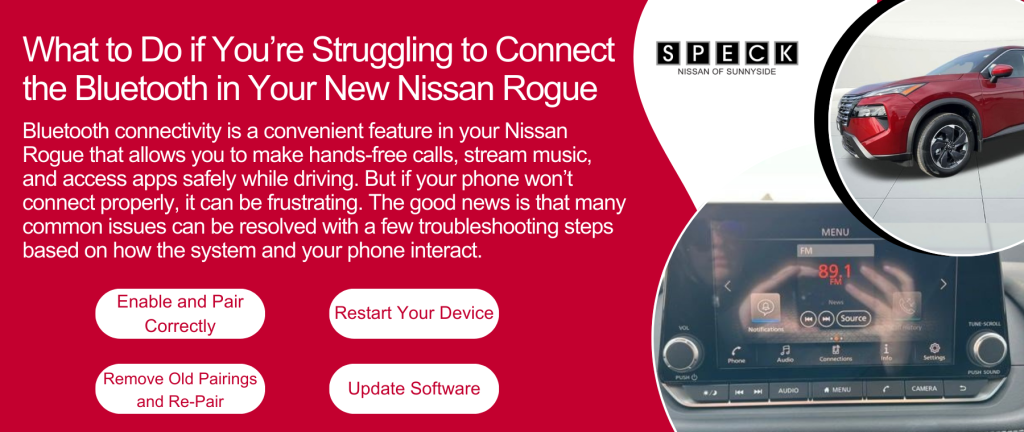
Bluetooth connectivity is a convenient feature in your Nissan Rogue that allows you to make hands-free calls, stream music, and access apps safely while driving. But if your phone won’t connect properly, it can be frustrating. The good news is that many common issues can be resolved with a few troubleshooting steps based on how the system and your phone interact. Make Sure Bluetooth Is Enabled and Paired Correctly First, double-check the basics: ensure Bluetooth is turned on both on your smartphone and in your Rogue’s infotainment system. On the vehicle’s display, go to Settings → Phone & Bluetooth and select “Connect New Device.” Then look for “MY-CAR” (or a similar name) in your phone’s Bluetooth list and begin pairing. Confirm that the PIN displayed on both screens matches before approving the connection. Restart Your Devices Software glitches can sometimes prevent pairing. Try restarting both your smartphone and your Rogue’s infotainment system. A simple reboot. Turning the car off, opening the driver’s door and waiting a few minutes, then starting the vehicle again can clear temporary bugs. Restarting your phone can also help reset its Bluetooth module. Remove Old Pairings and Re-Pair If your phone was previously connected but now won’t reconnect, remove it from both your phone’s Bluetooth list and the Rogue’s paired device list. Clearing out old pairings gives you a fresh start. Once cleared, initiate the pairing process again with your phone in Bluetooth “discoverable” mode. Update Software on Your Phone and Vehicle Outdated software on either end can cause compatibility issues. Make sure your smartphone’s operating system is up to date, as manufacturers regularly improve Bluetooth stability in newer releases. It’s also a good idea to check with Speck Nissan dealer. For any infotainment system updates, which can improve connection reliability and support newer Bluetooth protocols. Reduce Interference and Check Settings Bluetooth operates in a shared wireless frequency, meaning other electronic devices nearby or too many paired gadgets can interfere with the connection. Temporarily turn off unnecessary Bluetooth devices and keep your phone close to the Rogue’s console while pairing. Also ensure your phone isn’t connected to multiple car systems at once, which can interrupt the pairing process. Advanced Reset Options If all else fails, you can try a soft infotainment reset by powering down the system entirely (turn the car off and wait about 10–15 minutes) and retry pairing after the reboot. In more persistent cases, a factory reset of the infotainment system clears all settings and paired devices. Essentially restoring the system to its original setup. Use this step with caution, as you’ll need to reconfigure settings afterward. When to Seek Professional Help If you’ve tried these steps and Bluetooth still doesn’t work, or if the system behaves inconsistently, it may be time to visit Speck Nissan dealership. Technicians can diagnose deeper issues like software bugs or hardware problems with the Bluetooth module. Conclusion Bluetooth problems in your Nissan Rogue can stem from simple setup issues, software mismatches, or temporary glitches. By ensuring Bluetooth is enabled, removing old pairings, updating software, and performing basic resets, you can often restore a solid connection. If those steps don’t work, professional diagnostics at a dealer can help get your system back on track so you can enjoy hands-free connectivity again.

A graphic highlighting the key points of the article and how to prepare for trade in

How to Prepare Your Vehicle Before Trading It In

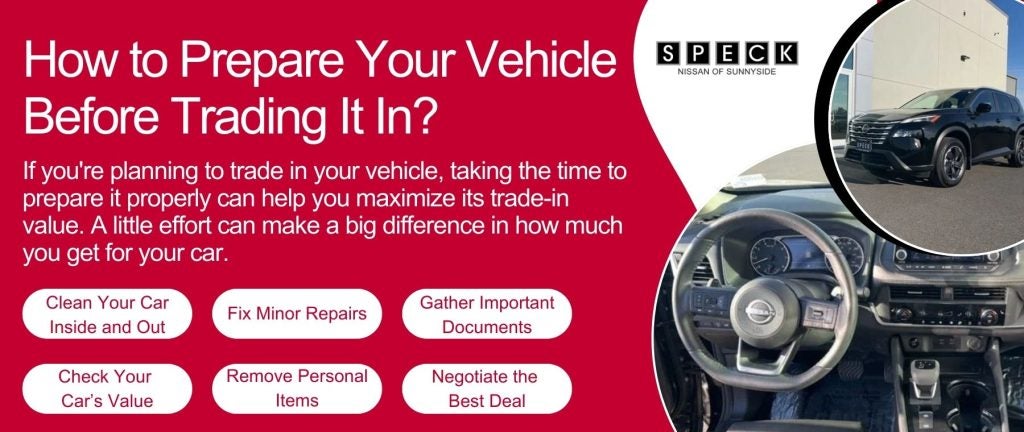
If you're planning to trade in your vehicle, taking the time to prepare it properly can help you maximize its trade-in value. A little effort can make a big difference in how much you get for your car. Here are some essential steps to take before bringing your vehicle to the dealership. 1. Clean Your Car Inside and Out First impressions matter! A clean car looks well-maintained and can increase its perceived value. Exterior: Wash and wax your car to restore its shine. Interior: Vacuum the carpets, wipe down surfaces, and remove personal belongings. Windows & Mirrors: Clean all glass surfaces to improve visibility and presentation. 2. Fix Minor Repairs Small fixes can go a long way in improving your car's value. Replace burned-out bulbs Fix minor scratches with touch-up paint Check and top off fluids (oil, coolant, windshield washer, etc.) Replace worn wiper blades 3. Gather Important Documents Having all necessary paperwork ready will streamline the trade-in process. Vehicle title (if applicable) Registration and any loan payoff details Service records to show regular maintenance Spare keys and owner's manual 4. Check Your Car's Value Before heading to the dealership, research your car's trade-in value using tools like Kelley Blue Book or Edmunds. This will give you an idea of what to expect and help you negotiate a fair price. 5. Get a Pre-Trade-In Inspection Consider having a mechanic inspect your car to identify any issues that could affect its value. Addressing minor problems beforehand may help you get a better offer. 6. Remove Personal Items Make sure to remove all personal belongings before trading in your car. Check under seats, in storage compartments, and in the trunk to ensure nothing is left behind. 7. Negotiate the Best Deal Once at the dealership, be prepared to negotiate. If you've done your research, you'll have a better understanding of your car's value and can confidently work towards the best possible trade-in offer. Final Thoughts Taking these steps before trading in your vehicle can help you secure that best value and ensure a smooth process. If you're ready to trade in your car, visit our dealership today for a fair appraisal and a great deal on your next vehicle!

Mechanic checking tire tread depth with penny, highlighting tire maintenance importance for vehicle safety

How Often Do You Need New Tires

Tires are one of the most critical components of your vehicle, affecting safety, performance, and fuel efficiency. Knowing when to replace them is essential to maintaining a smooth and secure ride. Signs That You Need New Tires Over time, tires wear down, reducing their effectiveness. Here are some key indicators that it's time for a replacement: Tread Wear: The tread depth should be at least 2/32 of an inch. Use the penny test: if Lincoln's head is Visible, it's time for new tires. Cracks or Bulges: Visible cracks or bulges on the sidewall indicate structural damage and potential blowout risks. Frequent Loss of Air Pressure: If your tires lose air quickly, they may have slow leaks or weakened rubber. Vibration While Driving: Excessive vibration can indicate uneven tire wear or internal damage. Poor Traction in Wet Conditions: If your vehicle struggles in rain or snow, worn tread might be the culprit. Factors That Affect Tire Longevity Several factors influence how long your tires will last, including: Driving Habits: Aggressive driving, hard braking, and sharp turns wear out tires faster. Road Conditions: Rough roads, potholes, and debris can accelerate tire damage. Tire Type and Quality: High-performance or soft rubber compound tires may wear out faster than all-season or touring tires. Proper Maintenance: Regular rotation, proper inflation, and alignment checks extend tire lifespan. Recommended Tire Replacement Timeline While tire longevity varies, most manufacturers recommend replacing tires every six years, regardless of tread wear, and no later than ten years from the manufacturing date. However, if you drive frequently or in extreme conditions, you may need new tires sooner. How to Extend Tire Life To maximize tire lifespan and performance, follow these tips: Check Tire Pressure Regularly: Underinflated or overinflated tires wear unevenly. Rotate Tires Every 5,000-7,500 Miles: This ensures even wear across all tires. Maintain Proper Alignment: Misaligned wheels cause premature tire wear. Inspect Tires Often: Look for damage, uneven wear, or embedded objects. Conclusion Knowing when to replace your tires is crucial for safety and performance. Regular inspections and maintenance can help extend their lifespan, but when you notice signs of significant wear or damage, it's best to replace them promptly. Keeping your tires in good condition ensures a smoother, safer, and more efficient driving experience.

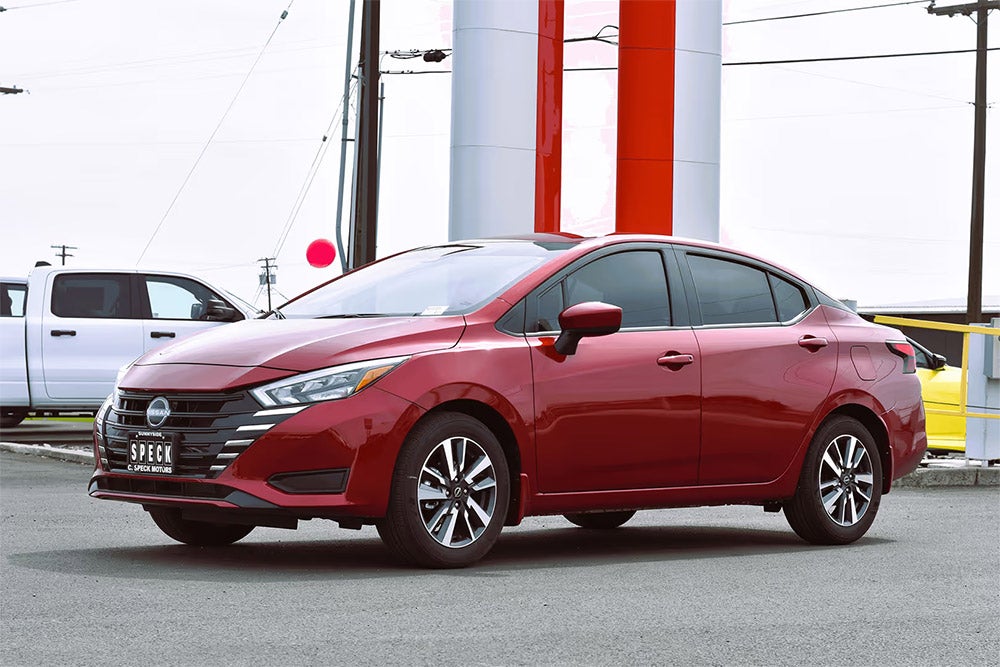
Deep red Nissan Versa parked in urban setting with power lines and white truck in background, sleek modern design

New 2025 Nissan Versa Trim Levels and Pricing

The 2025 Nissan Versa continues to be a top choice for drivers looking for an affordable and efficient sedan. With multiple trim levels offering a range of features, there's a Versa to fit every budget and preference. Below, we explore the available trim levels and their pricing. Nissan Versa S Starting Price: Around $17,000 The base model, the Versa S, offers great value with essential features and modern technology. Key Features: 1.6L 4-Cylinder engine 5-speed manual transmission (CTV optional) 7-inch touchscreen display Rearview monitor Automatic emergency braking Nissan Versa SV Starting Price: Around $19,000 Moving up to the Versa SV brings additional comfort and tech upgrades. Key Features: Xtronic CVT (Continuously Variable Transmission) 16-inch alloy wheels Apple CarPlay® and Android AutoTM integration Blind Spot Warning Upgraded cloth interior Nissan Versa SR Starting Price: Around $21,000 The Versa SR is the sportiest trim, offering premium enhancements. Key Features: 17-inch alloy wheels LED headlights with signature lighting Sport cloth seating with contrast stitching Leather-wrapped steering wheel Nissan Intelligent Key® with push-button start Which Trim is Right for You? Budget-conscious drivers will appreciate the affordability of the Versa S while still getting a reliable and efficient vehicle. Tech-savvy individuals may prefer the Versa SV, which includes smartphone connectivity and advanced safety features. Those looking for a sportier and premium feel will enjoy the added enhancements of the Versa SR. Conclusion The 2025 Nissan Versa offers a variety of trims to suit different needs and budgets. Whether you're looking for a simple commuter car or a more feature-packed ride, the Versa provides a solid option with competitive pricing. Visit your local Nissan dealership to explore these trims and find the right fit for you!

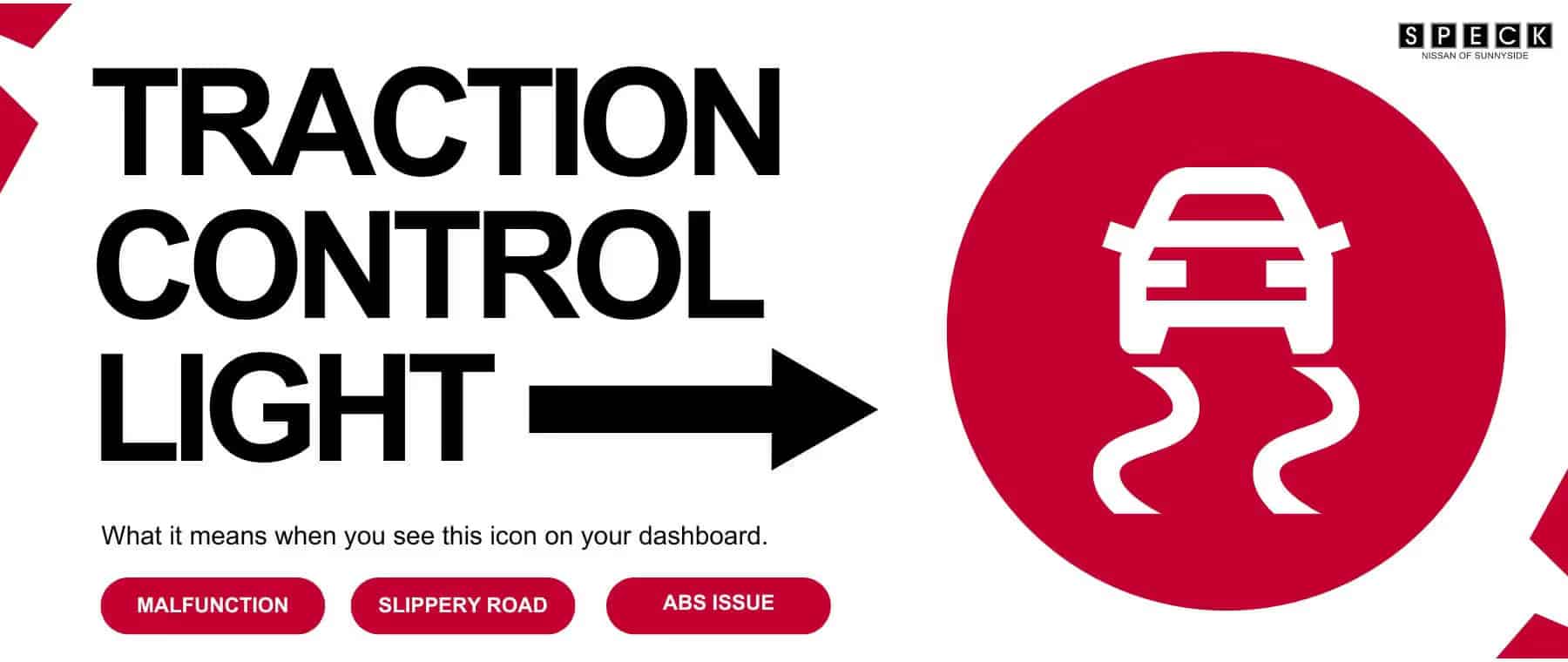
Nissan traction control light dashboard warning icon indicating possible malfunction, slippery road, or ABS issue

What is the "Traction Control Light" and What Does It Mean?

Your vehicle's Traction Control Light (TLC) is an important indicator that helps maintain stability and control in various driving conditions. If this light comes on, it could signify a range of issues, from normal operation to potential system malfunctions. Understanding what it means and how to respond can help ensure your safety on the road. What is the Traction Control System (TCS)? The Traction Control System (TCS) is designed to prevent wheel slippage and improve grip on slippery or uneven roads. It works by automatically adjusting engine power or applying brakes to specific wheels when it detects a loss of traction. This feature is especially useful in adverse weather conditions, such as rain, snow, or ice. Why Does the Traction Control Light Turn On? There are several reasons why the TCL may illuminate on your dashboard: Slippery Road Conditions: If you're driving on wet or icy roads, the light may blink as the system actively prevents wheel slippage. Manual Deactivation: Some vehicles allow you to manually turn off the traction control system. If you've done this, the light will remain on until reactivated. Faulty Wheel Speed Sensors: The TCS relies on wheel speed sensors to function properly. If one of these sensors is malfunctioning, the system may not work correctly. Anti-Lock Braking System (ABS) Issues: Since the TCS and ABS share components, a problem with the ABS could also trigger the TCL. Electronic Control System Malfunction: In some cases, an issue with the vehicle's computer or electrical system may cause the light to stay on. What Should You Do If the Traction Control Light Comes On? Your response depends on whether the light is blinking or solid: Flashing Light: This indicates the system is actively working to prevent wheel slippage. Drive cautiously and adjust your speed to road conditions. Solid Light: If the TCL remains solid, it may indicate a malfunction. Try restarting your vehicle, if the light persists, consider having it inspected by a professional. Can You Drive With the Traction Control Light On? While it's possible to drive with the TCL illuminated, it's best to have the issue diagnosed as soon as possible. If the system isn't functioning correctly, your vehicle may be more prone to skidding in poor conditions, reducing overall safety. When to Seek Professional help If the Traction Control Light stays on continuously, it's advisable to schedule an inspection with certified mechanic. They can check for sensor issues, ABS malfunctions, or electrical problems that may be affecting the system. Conclusion The Traction Control Light plays a vital role in maintaining vehicle stability and safety. While occasional activation is normal during slippery conditions, a persistent or solid light may indicate an underlying problem. Understanding its function and knowing when to seek help ensures you remain safe on the road, no matter the driving conditions.

A person with a broken down car on the side of the road opening up their hood.

Automotive Service Mistakes People Make

Regular vehicle maintenance is essential for keeping your car in optimal condition, ensuring safety, and avoiding costly repairs. However, many drivers unknowingly make mistakes when servicing their vehicles, leading to long-term issues. Here are some of the most common automotive service mistakes and how to avoid them. Skipping Regular Oil Changes Oil changes are critical to keeping your engine running smoothly. Delaying or skipping oil changes can lead to increased engine wear, overheating, and even engine failure. Always follow the manufacturer's recommended schedule and use the correct type of oil for your vehicle. Ignoring Warning Lights Dashboard warning lights indicate potential problems, but many drivers ignore them until an issue worsens. Whether it's the check engine light, tire pressure monitoring system (TPMS) light, or brake warning light, addressing the problem early can prevent costly repairs and enhance safety. Using Incorrect Fluids Fluids play a crucial role in a vehicle's performance, from engine oil to coolant and transmission fluid. Using the wrong type or neglecting fluid changes can lead to engine damage, transmission failure, and overheating. Always check your owner's manual for the correct fluid specifications. Neglecting Tire Maintenance Tires need regular care to maintain proper performance and safety. Common mistakes include: Driving on underinflated or overinflated tires, which can cause uneven wear and reduce fuel efficiency. Ignoring tire rotations, leading to premature wear. Failing to check alignment, which can affect handling and tire longevity. Overlooking Brake Inspections Brakes are one of the most important safety components in any vehicle. Neglecting brake maintenance can lead to reduced stopping power and increased risk of accidents. Listen for squeaking or grinding noises and have your brakes inspected regularly. Delaying Battery Replacements A failing battery can leave you stranded unexpectedly. If you notice slow engine cranking, dim lights, or electronic malfunctions, it may be time for a replacement. Checking battery terminals for corrosion and ensuring a secure connection can also prolong battery life. Not Replacing Air Filters Air filters keep dirt and debris from entering your engine and cabin. A clogged engine air filter can reduce performance and fuel efficiency, while a dirty cabin filter can affect air quality. Replace them as recommended by your vehicle's manufacturer. Failing to Follow the Maintenance Schedule Every vehicle has a maintenance schedule designed to keep it running efficiently. Skipping recommended services such as transmission flushes, timing belt replacements, and coolant flushes can lead to major mechanical failures. Following your car's service manual is the best way to ensure longevity and reliability. Conclusion Avoiding these common automotive service mistakes can save you money, improve your vehicle's performance, and enhance safety. Regular maintenance and paying attention to your car's needs will help keep it in top shape for years to come. If you're ever unsure about a service, consulting with a professional mechanic is always a good idea.

Contact Us

Fill out this form below and we'll contact you shortly
*Required Fields