
Blog / Automotive Tips

Blog

All Automotive Tips Automotive Service and Parts Nissan Sales Automotive Financing Dealership Blog Community Events Sunnyside Used Cars, Trucks, and SUVs

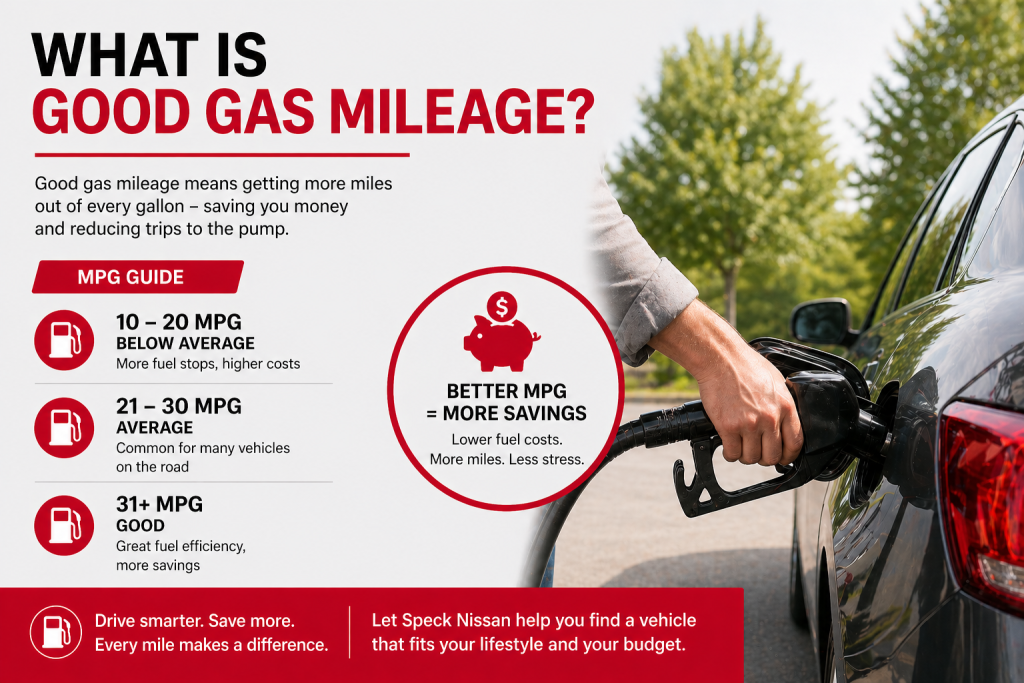
What is Considered Good Gas Mileage?

With fuel prices constantly fluctuating, getting good gas mileage has never been more important. But what exactly qualifies as good fuel economy? The answer depends on the type of vehicle you drive and how you use it. At Speck Nissan, we carry a wide range of vehicle that deliver impressive fuel efficiency without sacrificing performance or comfort. What is Considered Good MPG? Generally speaking, anything over 30 MPG combined is considered good fuel economy for most drivers. For sedans and compact cars, 35 MPG or higher is excellent. For SUVs and crossovers, hitting 30 MPG or above puts you well ahead of the class average. Trucks and larger vehicle naturally delivered lower numbers, but modern engineering has brought even those figures up significantly in recent years. The EPA rates every new vehicle for city, highway, and combined fuel economy, and those numbers are a great starting point when comparing your options. City vs. Highway MPG It is important to understand the difference between city and highway fuel economy. City MPG reflects driving with frequent stops and slower speeds, which generally burns more fuel. Highway MPG reflects steady cruising at higher speeds, which typically where vehicles shine in terms of efficiency. Most drivers experienced a blend of both, which is why the combined rating is often the most useful numbers when shopping for a fuel-efficient vehicle. Nissan Models That Get Over 30 MPG Highway 2026 Nissan Versa Sedan Nissan offers several models that exceed 30 MPG on highway, making them smart choices for commuters and long-distance drivers alike. The Nissan Sentra delivers an impressive EPA-estimated 39 MPG on the highway, making it one of the most fuel-efficient sedans in its class. Now, the Nissan Versa is another standout, earning up to 40 MPG on the highway and serving as one of the most affordable and efficient vehicles available today. The Nissan Altima checks in at an estimated 38 MPG highway, offering a great blend of efficiency and midsize sedan comfort. For SUV shoppers, the Nissan Kicks delivers up to 36 MPG on the highway in a practical and stylish compact crossover package. The Nissan Rogue also impresses with an estimated 33 MPG highway, making it a top choice for families who want efficiency without giving up space. Final Thoughts Good gas mileage starts at around 30 MPG and gets better from there. Nissan's lineup is packed with efficient options that deliver real-world savings on every drive. Visit Speck Nissan today to explore our fuel-efficient models and find the one that fits your lifestyle and budget best. Make sure to see if we have any specials available! Shop Nissan The information provided is for general informational purposes only and does not constitute legal, financial, or professional advice. While we strive to provide accurate and up-to-date information, we make no guarantees regarding the completeness, accuracy, or reliability of the information presented. Any action you take based on the context of this blog is strictly at your own risk. Always consult a qualified professional or specialist for advice specific to your situation. We are not responsible for any losses or damages arising from the use of this blog or its content.
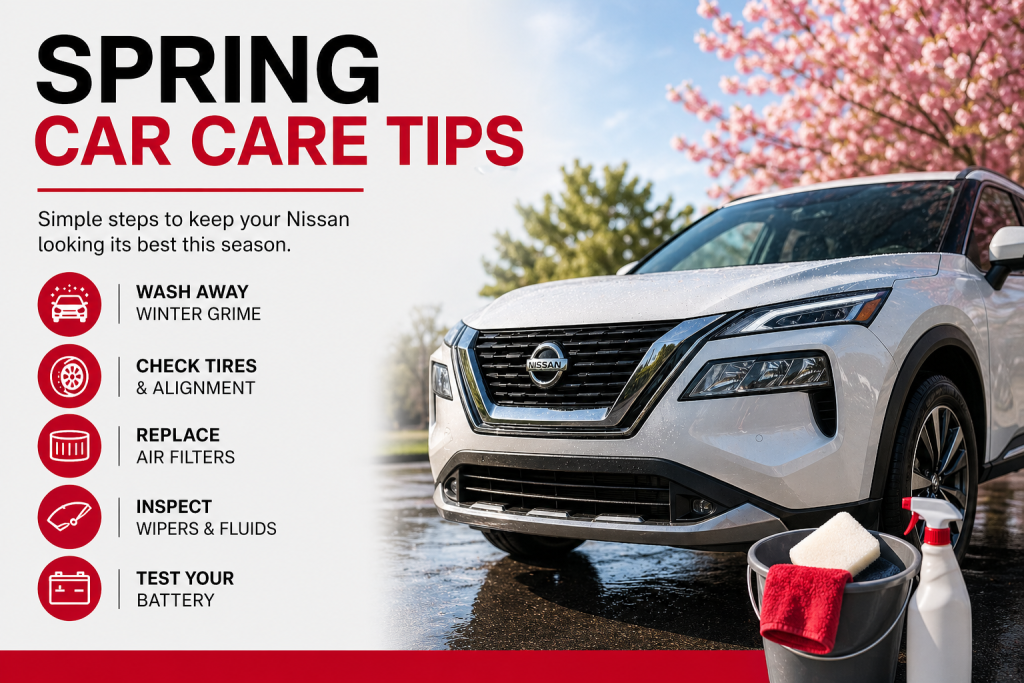
Spring Car Care Tips

As the seasons change and warmer weather arrives, it is the perfect time to give your vehicle some attention. Winter can be tough on your car, and spring is a great opportunity to make sure everything is in top shape. At Speck Nissan, our service team is here to help you get your vehicle ready for the road ahead. Tires and Brakes Cold weather and rough winter roads can take a serious toll on both your tires and brakes. Check your tire pressure, inspect tread depth, and look for any cracks or or uneven wear that may have developed over the colder months. If you notice any squeaking, grinding, or a longer stopping distance, have your brakes inspected right away. Catching these issues early is one of the most important things you can do got your safety on the road. Oil, Fluids, and Exterior Spring is the perfect reminder to check all of your vehicle's fluids. Including engine oil, coolant, brake fluid, and windshield washer fluid. If you are due for an oil change, do not put it off any longer. It is also a great time to give your car a thorough wash including the underneath. Salt and road grime from winter can cause rust and corrosion if left untreated. Final Thoughts Taking care of your vehicle in the spring sets you up for a safe and reliable driving season. These simple steps can save you from costly repairs down the road. Schedule your spring service appointment with the team at Speck Nissan today and let us help keep your vehicle in peak condition. Schedule Service The information provided is for general informational purposes only and does not constitute legal, financial, or professional advice. While we strive to provide accurate and up-to-date information, we make no guarantees regarding the completeness, accuracy, or reliability of the information presented. Any action you take based on the context of this blog is strictly at your own risk. Always consult a qualified professional or specialist for advice specific to your situation. We are not responsible for any losses or damages arising from the use of this blog or its content.
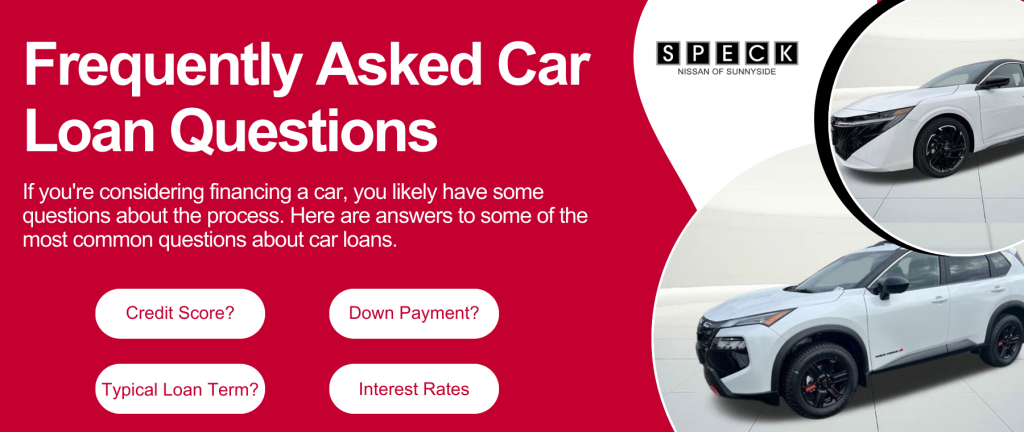
Informative graphic showing the frequently asked car loan questions

Frequently Asked Car Loan Questions

If you're considering financing a car, you likely have some questions about the process. Here are answers to some of the most common questions about car loans. 1. What Credit Score Do I Need to Get a Car Loan? While requirements vary, a credit score of 660 or higher typically qualifies for better interest rates. Some lenders offer subprime loans for lower credit scores, but interest rates may be higher. 2. How Much Should I Put Down on a Car Loan? A down payment of at least 10-10% is recommended to lower your monthly payments and interest. Some lenders may allow for low or zero down payment options depending on credit history and promotions. 3. Can I Get a Car Loan with No Credit or Bad Credit? Yes, some lenders specialize in financing for first-time buyers or those with low credit scores. Options include co-signers, higher down payments, or dealership financing programs. 4. What is the Typical Loan Term for a Car Loan? Loan terms typically range from 24 to 84 months. Shorter terms have higher monthly payments but lower overall interest costs, while longer terms reduce monthly payments but increase total interest. 5. How Do Interest Rates Work on Car Loans? Interest rates depend on credit score, loan term, and lender policies. Lower credit scores typically result in higher interest rates. 6. Can I Pay Off My Car Loan Early? Many lenders allow early payments, but some may have prepayment penalties. Check your loan agreement for specific terms regarding early payments. 7. What Happens if I Miss a Car Payment? Missing a payment may result in late fees, a negative credit impact, or potential repossession. Contact your lender immediately if you anticipate missing a payment to discuss options. 8. Should I Get a Loan Through a Dealership or a Bank? Banks and credit unions may offer competitive rates but require pre-approval. Dealership financing is convenient and may include special offers, but rates can vary. It's best to compare multiple lenders before making a decision. 9. Can I Trade in a Car That's Not Paid Off? Yes, but the remaining loan balance will need to be paid. If you owe more than the car's value, the negative equity may roll into your new loan. 10. How Do I Improve My Chances of Loan Approval? Increase your credit score before applying. Save for a larger down payment. Consider getting a co-signer if necessary. Shop around for the best loan terms and interest rates. Final Thoughts Understanding car loans can help you make a smarter financial decision. By preparing in advance and comparing options, you can secure a loan that fits your budget and financial goals. Stop by Speck Nissan and talk to our finance department about our current loan options

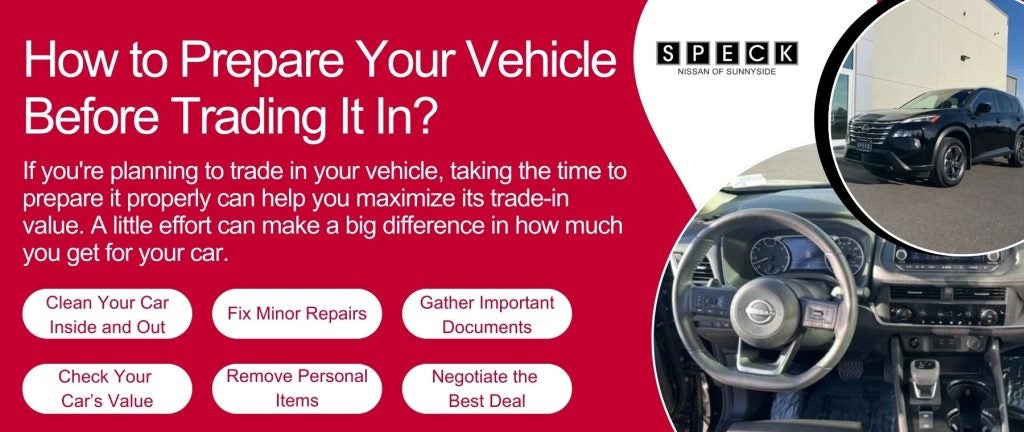
A graphic highlighting the key points of the article and how to prepare for trade in

How to Prepare Your Vehicle Before Trading It In

If you're planning to trade in your vehicle, taking the time to prepare it properly can help you maximize its trade-in value. A little effort can make a big difference in how much you get for your car. Here are some essential steps to take before bringing your vehicle to the dealership. 1. Clean Your Car Inside and Out First impressions matter! A clean car looks well-maintained and can increase its perceived value. Exterior: Wash and wax your car to restore its shine. Interior: Vacuum the carpets, wipe down surfaces, and remove personal belongings. Windows & Mirrors: Clean all glass surfaces to improve visibility and presentation. 2. Fix Minor Repairs Small fixes can go a long way in improving your car's value. Replace burned-out bulbs Fix minor scratches with touch-up paint Check and top off fluids (oil, coolant, windshield washer, etc.) Replace worn wiper blades 3. Gather Important Documents Having all necessary paperwork ready will streamline the trade-in process. Vehicle title (if applicable) Registration and any loan payoff details Service records to show regular maintenance Spare keys and owner's manual 4. Check Your Car's Value Before heading to the dealership, research your car's trade-in value using tools like Kelley Blue Book or Edmunds. This will give you an idea of what to expect and help you negotiate a fair price. 5. Get a Pre-Trade-In Inspection Consider having a mechanic inspect your car to identify any issues that could affect its value. Addressing minor problems beforehand may help you get a better offer. 6. Remove Personal Items Make sure to remove all personal belongings before trading in your car. Check under seats, in storage compartments, and in the trunk to ensure nothing is left behind. 7. Negotiate the Best Deal Once at the dealership, be prepared to negotiate. If you've done your research, you'll have a better understanding of your car's value and can confidently work towards the best possible trade-in offer. Final Thoughts Taking these steps before trading in your vehicle can help you secure that best value and ensure a smooth process. If you're ready to trade in your car, visit our dealership today for a fair appraisal and a great deal on your next vehicle!

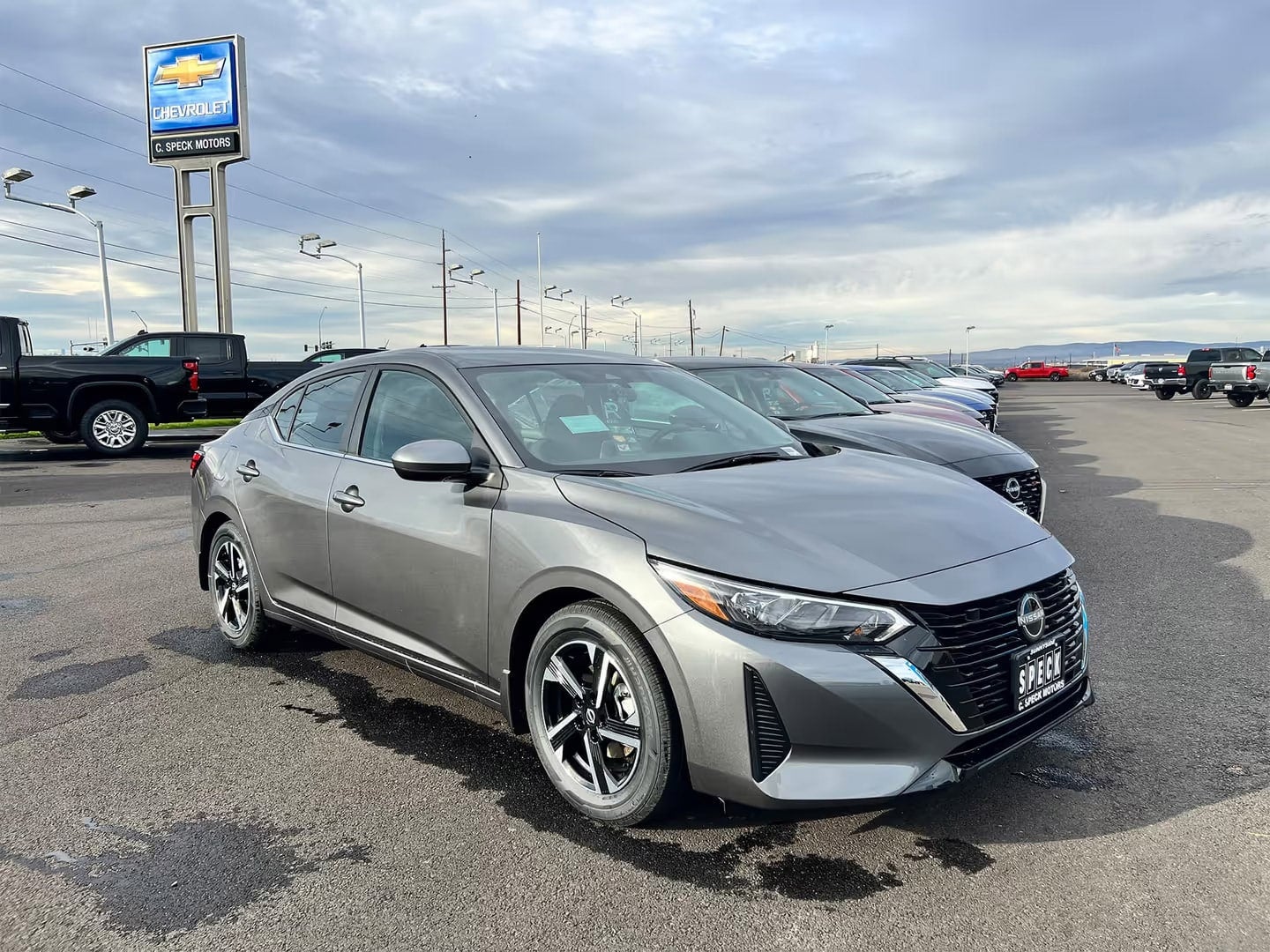
Gray Nissan sedan parked at Chevrolet dealership with cloudy sky and other vehicles in background

Tips for First Time Car Buyers

Buying your first car is an exciting milestone, but it can also feel a bit overwhelming. With so many options, features, and financing details to consider, it's easy to feel lost in the process. Don't worry! We've compiled a list of practical tips to help you navigate your car-buying journey with confidence. Start with a Budget The first step to buying your first car is understanding what you can afford. Here's how to approach it: Assess Your Finances: Look at your monthly income and expenses to determine how much you can comfortably spend on a car payment, insurance, fuel, and maintenance. Include Additional Cost: Don't forget expenses like registration, taxes, and potential add-ons like extended warranties. Get Pre-Approved for a Loan: Pre-approval can help you understand your financing options and set realistic expectations before stepping onto a dealership lot. Know Your Needs Before you start shopping, think about how you'll be using your vehicle. Consider these factors: Commute: Do you need a fuel-efficient car for long daily drives? Lifestyle: Are you looking for a spacious SUV for family trips or a compact car for city driving? Features: Decide on the must-have features, like Bluetooth connectivity, advanced safety systems, or all-wheel drive. By prioritizing your needs, you can narrow down your choices and focus on vehicles that truly fit your lifestyle. Research and Compare Knowledge is power when it comes to car buying. Spend some time researching: Vehicle Options: Use online resources to compare makes and models that suit your needs and budget. Reliability and Reviews: Check reviews and ratings from current owners and experts to get a sense of a vehicle's reliability and performance. Pricing: Familiarize yourself with average prices for the models you're interested in to ensure you're getting a fair deal. Test Drive and Inspect A test drive is an essential part of the car buying process. Here's what to keep in mind: Comfort and Fit: Make sure you're comfortable in the driver's seat and that visibility and controls are to your liking. Performance: Pay attention to acceleration, braking, steering, and suspension. Condition: If buying used, inspect the car for wear and tear or have a trusted mechanic evaluate its condition. Negotiate with Confidence Negotiating can be intimidating for first-time buyers, but a little preparation can go a long way: Know the market value: Use resources like Kelley Blue Book or Edmunds to understand the fair price of the car you're considering. Stay Firm: Stick to your budget and don't be pressured into unnecessary upgrades or extras. Ask Questions: Inquire about warranties, service package, or special promotions Buying your first car is a significant achievement, and with the right preparation, it can be an enjoyable and rewarding experience. By setting a budget, understanding your needs, doing thorough research, and approaching the process with confidence, you'll find a car that fits your lifestyle and makes you proud to call it your own. The information provided is for general informational purposes only and does not constitute legal, financial, or professional advice. While we strive to provide accurate and up-to-date information, we make no guarantees regarding the completeness, accuracy, or reliability of the information presented. Any action you take based on the context of this blog is strictly at your own risk. Always consult a qualified professional or specialist for advice specific to your situation. We are not responsible for any losses or damages arising from the use of this blog or its content.
Car Emergency Kit and Winter Driving Tips

Winter driving conditions have arrived in Sunnyside and the Yakima area. You never know when you will be in an emergency situation, whether it's from your vehicle breaking down, imminent weather, or the Snoqualmie Pass being closed. Make sure you and your Nissan are prepared with this Car Emergency Kit Checklist: First Aid Kit Jumper Cables Emergency Escape Tool (you can find a variety of tools made to break through tempered glass windows) Road flares and safety flashing warning light Tire repair kit Emergency blankets Gloves Flashlight and/or a wearable personal safety light Nonperishable, high-energy foods, such as unsalted nuts and hard candy Drinking water Fire extinguisher Duct tape Snow brush and shovel Non-clumping cat litter (or sand) for traction Multi-tool Sleeping bag Winter boots Hand warmers Battery or hand-crank powered radio Winter driving tips from your friend at Speck Nissan in Sunnyside, Washington. Watch for black ice. It can be very hard to see, especially at night, but black ice is very slippery and dangerous. If your vehicle gets stuck in the snow and you don't have non-clumping cat litter or sand, you can put your floor mats next to the tires and slowing move your car across them. Make sure to completely clear snow and ice from the windshield. Increase your following distance to at least 10 seconds. Do not use your cruise control during winter driving conditions. If you are broken down, signal for help by tying a bright colored cloth to your vehicle's antenna or put in a rolled up window. Before hitting the road for you winter road trip, come see the service experts at Speck Nissan to make sure your vehicle is running in optimal condition. It is important to get your tires, windshield wipers, lights, coolant, oil and more checked out. Call 509-837-5501 today or schedule your service online. The information provided is for general informational purposes only and does not constitute legal, financial, or professional advice. While we strive to provide accurate and up-to-date information, we make no guarantees regarding the completeness, accuracy, or reliability of the information presented. Any action you take based on the context of this blog is strictly at your own risk. Always consult a qualified professional or specialist for advice specific to your situation. We are not responsible for any losses or damages arising from the use of this blog or its content.
How to Check the Oil in Your New Altima

How to Check the Oil in Your New Altima Make sure your engine is cooled down, between 15-30 minutes after the engine has been run. It should also be parked on a flat surface. Have a cloth or paper towel handy, and pull out the dipstick. The dipstick can be found towards the center of your engine with a large loop indicating the top of the stick. On the Altima equipped with the 2.0L 4-cylinder, the dipstick can be found to the bottom left, and when equipped with the 2.5L, it can be found more towards the canter. Wipe the dipstick clean, and reinsert it all the way. Pull out the dipstick again and check towards the tip of the stick where the oil line is. There is an H (High) and L (Low) on the dipstick into show oil levels. The oil level should lie between these two letters. If your oil is below the L towards the tip, it's time to add oil. Do not fill your oil above the H mark. If your oil is become more opaque and dirty, this is a good sign it's time for an oil change. Schedule your oil change online here! The information provided is for general informational purposes only and does not constitute legal, financial, or professional advice. While we strive to provide accurate and up-to-date information, we make no guarantees regarding the completeness, accuracy, or reliability of the information presented. Any action you take based on the context of this blog is strictly at your own risk. Always consult a qualified professional or specialist for advice specific to your situation. We are not responsible for any losses or damages arising from the use of this blog or its content.

Fall Car Maintenance Tips

We are about a month away from the official Fall season! Now is a great time to schedule fall maintenance and inspections here with Speck Nissan of Sunnyside. What kinds of maintenance should you perform on your vehicle in the Fall? Get your oil changed. After a hot summer of burning oil, prepare your vehicle for the next season with a fresh start on your oil. Clean your headlights. Headlights can get foggy and even turn yellow after a while. Since the days are much shorter, it's a great time to make sure your headlights give you plenty of visibility. Inspect your tires. With the changing of seasons comes precipitation, and precipitation fills the road way with moisture that can decrease traction. Getting your tires inspected, rotated or even refreshed to a new set is a beneficial move for the upcoming seasons. Replace your wiper blades. Having new wipers can make a big difference in inclement weather. New wipers can increase your visibility which in turn increases your safety on the road. Need to schedule your maintenance with Speck Nissan? Click here to schedule online. The information provided is for general informational purposes only and does not constitute legal, financial, or professional advice. While we strive to provide accurate and up-to-date information, we make no guarantees regarding the completeness, accuracy, or reliability of the information presented. Any action you take based on the context of this blog is strictly at your own risk. Always consult a qualified professional or specialist for advice specific to your situation. We are not responsible for any losses or damages arising from the use of this blog or its content.

Benefits of Tire Rotations

Tire Rotations prevent uneven wear and make your tires last longer. Tires wear at different rates depending on the position on the vehicle, road conditions, driving habits and daily routines. Front tires are prone to wear faster due to the constant extra weight of the engine, and rotations will preserve the balance of the tire wear. When tires wear evenly, it keeps the handling consistent which helps keep your brakes performing at their best. What happens if your tires wear unevenly? Uneven tire wear can cause the potential for a blow out, which can quickly be an extremely dangerous situation if you're on the road. Patchy and uneven tires can be a result of an nonalignment, over/under-inflation and more - but can be avoided with regular tire rotations and inspections. Refer to your owner's manual to learn the ideal tire rotation interval for your vehicle. If you're ready to schedule your tire rotation, give us a call or used our easy online service scheduling tool. The information provided is for general informational purposes only and does not constitute legal, financial, or professional advice. While we strive to provide accurate and up-to-date information, we make no guarantees regarding the completeness, accuracy, or reliability of the information presented. Any action you take based on the context of this blog is strictly at your own risk. Always consult a qualified professional or specialist for advice specific to your situation. We are not responsible for any losses or damages arising from the use of this blog or its content.

New or Used? Which one to buy?

New: Latest technology features and customization: Many new vehicles are now coming standard with high-tech features including back-up camera, blind spot monitors and more. When purchasing a new vehicle, you're getting some of the latest technology that the industry has to offer. With a new vehicle, you can also customize features and order any packages you want on your new car. Warranty coverage: Warranty can be extremely beneficial when it comes to making sure your vehicle is running properly. Warranty covers any defects or faults that may have occurred during production, and oftentimes automotive brands will add complimentary maintenance visits to provide free oil changes and other services to keep your vehicle healthy. Used: Good Investment, Price : When buying a used car, the depreciation value has already been considered since it has already been driven for months or years. We can also help you find Certified Pre-Owned vehicles that come with warranty and have been Certified by the brand. Many choices: With so many used vehicles coming in and out of our dealership every week, there is always a diverse selection. On our used vehicle lot, you can find great sedans, heavy duty trucks, fuel-efficient compact cars and much more. When you're searching on a budget, looking for a used vehicle broadens your search with availability for many budgets. Ready to Shop? The information provided is for general informational purposes only and does not constitute legal, financial, or professional advice. While we strive to provide accurate and up-to-date information, we make no guarantees regarding the completeness, accuracy, or reliability of the information presented. Any action you take based on the context of this blog is strictly at your own risk. Always consult a qualified professional or specialist for advice specific to your situation. We are not responsible for any losses or damages arising from the use of this blog or its content.

How to Replace Your Flat Tire with a Spare

Got a Flat? Here's a quick guide to successfully replacing your flat tire with a spare. You'll need: * Spare Tire: It's extremely important that the spare you have stored is the correct size for your vehicle, and to check the condition of your spare tire periodically. If you have a spare that has been stored away for a while, always thoroughly inspect the rubber for any cracks or anything that is out of the ordinary. If you need assistance, our service team here at Speck Nissan can help. * Lug Wrench Ensure the lug wrench is a good fit with your vehicle, and keep it stored somewhere with easy access, such as your glove box, center console, or with your spare tire. * Car Jack & Stand If you have not invested in a car jack yet, it's always a great time to do so. This tool is not only handy for changing your tire, but for many other repairs, replacements and inspections. 1. After ensuring that your spare tire is perfect for your vehicle, loosen the lug nuts, but do not remove them. 2. Jack up your vehicle. Look to your car manual, ask our service team, or use online resources to find out the best areas to place a jack for your particular vehicle. This way you can ensure that your car is lifted properly and securely. It's important that the vehicle's parking brake is at this time to prevent roll away, as well as being parked on level ground. 3. After you know that your car is securely lifted, remove the lug nuts. 4. Take off your original tire and put the spare on. Keep your old one, as it may be able to be repaired. 5. Put the lug nuts back on, but do not screw them in fully. You'll want to wait until the full weight of the vehicle is back on the tire before you do so. 6. Lower and take out the car jack (slowly and safely!). After the jack is removed from under the vehicle, it's time to tighten the lug nuts. 7. Time to get back out there! Keep in mind that your spare tire is not meant for long-term driving or high speeds. Look at what the tire's speed limit is, and head to your closest auto shop. If you're stuck and may need some help, you can always call our service department for advice, a talk-through, and to get your car into our shop. Call Speck Nissan at 509-837-5501! Need a service? Schedule online here!

Hot Weather Driving Tips

Hot Weather Driving & Car Service Tips Maintenance: Make sure your engine's fluids are all at proper levels. Engine fluids include engine oil, power steering fluid, transmission fluid, brake fluid and coolant. Check your engine's cooling system, including hoses and connections. Our service team here at Speck Nissan can thoroughly inspect your cooling system and perform any needed maintenance to ensure your engine is getting cooled properly this Summer season. We can also perform an HVAC inspection so you're getting the most out of your air conditioning. Tires are crucial to your everyday drive. They are going to come in contact with much more heat compared to the rest of the seasons so it's important to double-check their treads and integrity. Schedule your Summer maintenance here at Speck Nissan. Driving: According to the EPA, rolling down the windows is more fuel efficient when driving at slow speeds. Use the air conditioning when traveling at highway speeds. Parking in the shade or investing in a sun shade for your windshield can help keep your cabin cool while running your errands or off to work. This way, your system won't need as much energy to cool down the interior when turned back on. Reminder: With a sun shade or not, the temperature inside will still get extremely warm and unsafe to stay in without a way to cool. Do not leave pets or children inside of the vehicle. Along with your important tools like jumper cables, jacks, tire kits and more, have water with you - especially on long drives. You never know what can happen on the road, so it's best to always be prepared for a breakdown. The information provided is for general informational purposes only and does not constitute legal, financial, or professional advice. While we strive to provide accurate and up-to-date information, we make no guarantees regarding the completeness, accuracy, or reliability of the information presented. Any action you take based on the context of this blog is strictly at your own risk. Always consult a qualified professional or specialist for advice specific to your situation. We are not responsible for any losses or damages arising from the use of this blog or its content.

Contact Us

Fill out this form below and we'll contact you shortly
*Required Fields